
About
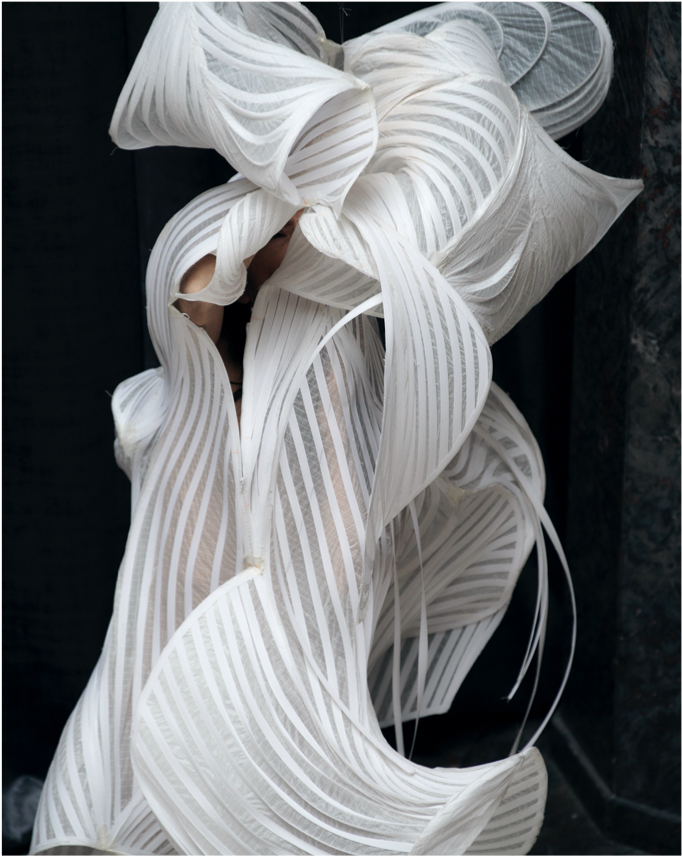
Its international dimension, the discovery of unusual architectural spaces, innovative programming, the multiplicity of viewpoints linked to the questioning of Nature / Culture and above all the convergence between music, theatre, circus, dance, fashion, culinary and visual arts make ARTONOV a dynamic and optimistic tool.

@dyod

@dyod
Editorial — 12th Edition
“We do not work alone.”
These words by the renowned Japanese ceramic artist Kanjiro Kawai, a key figure in the Mingei movement, serve as the guiding principle of the twelfth edition of the ARTONOV Festival. They express a fundamental conviction: creation never arises in isolation. It emerges from a living network of transmission, memories, shared gestures, and unseen presences. Every artistic act is shaped by what came before us—by people, materials, places, and traditions that continue to resonate in the present.
In 2026, Belgium and Japan celebrate the 160th anniversary of their cultural and diplomatic relations. On this occasion, ARTONOV invites artists from both countries to explore new dialogues between heritage and contemporary creation. This edition examines how ancient forms, rituals, and collective memories can still generate transformative experiences today. The ARTONOV Lab, which this year settles in Brussels’ Sainte-Catherine district, once again becomes the beating heart of experimentation and encounter: an open space for chamber music, conversation, exchange, and collective imagination.
At the center of this multidisciplinary framework, Lab ARTONOV hosts a permanent exhibition throughout the festival entitled The Gods of the House. These sculptures, shown outside Japan for the first time, were conceived as protective presences within everyday life. Alongside them, precious textile works bear witness to care, attention, and craftsmanship. They embody a relationship to matter rooted in transmission and tradition. Their subtle dialogue with the work of the Belgian-Japanese artist Michiko Van De Velde and emerging Belgian visual artists enriches this remarkable presentation.
The virtuosity of internationally acclaimed Belgian ensembles such as the Ricercar Consort and Sturm und Klang highlights the strength, ambition, and exceptional quality of our national music scene. They demonstrate how Belgian musicians masterfully appropriate complex repertoires and engage at the highest level with musical traditions from around the world.
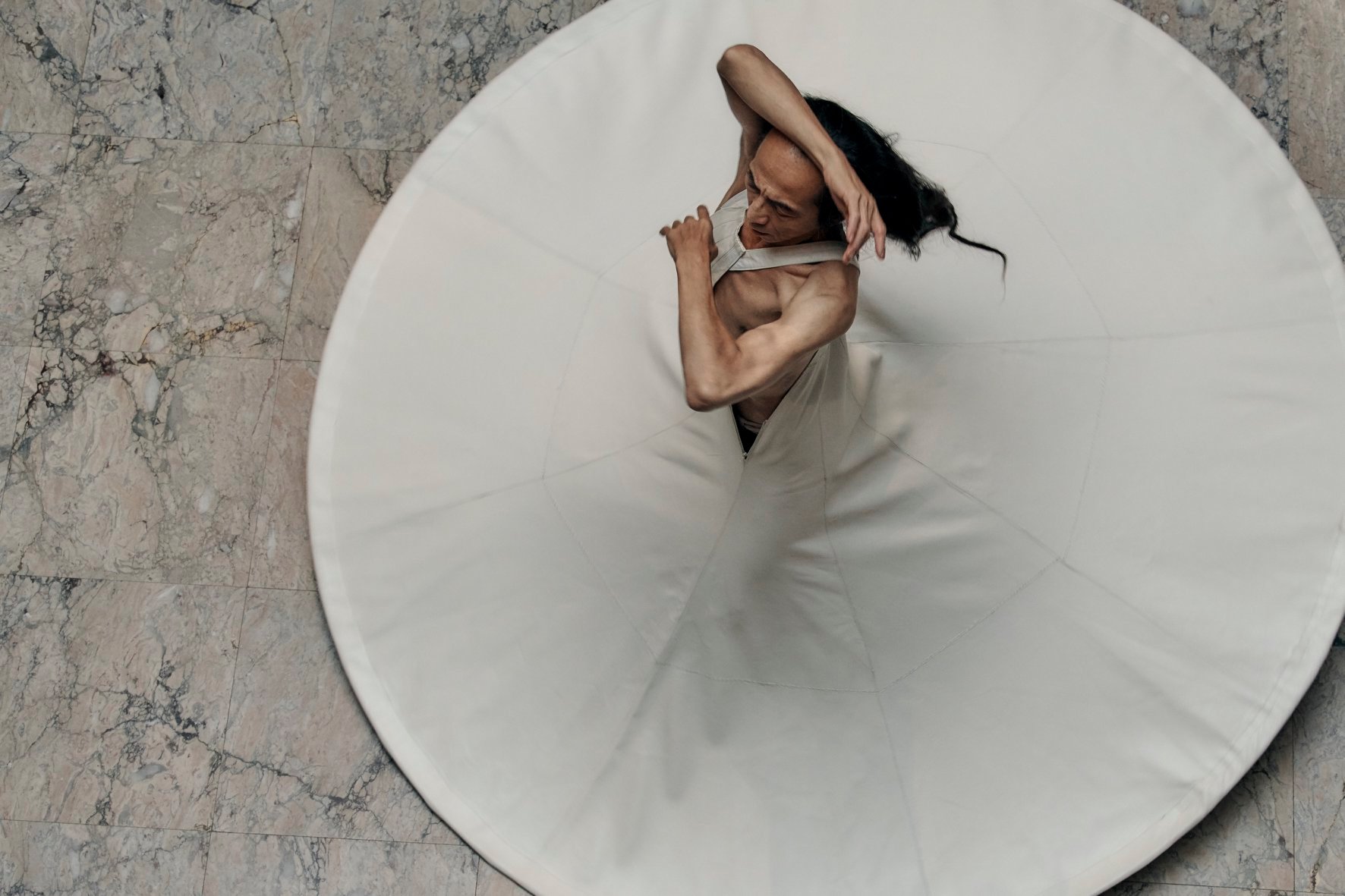
The connection with Japan takes further shape through a series of exceptional projects. The butō dance company Dairakudakan returns with ASURA, a creation by Naomi Muku inspired by the Buddhist figure of transformation. The immersive project Otono Miidera brings together musicians and the monks of Mii-dera Temple around ritual chants of rare spiritual intensity, in which poetry, incense, and visual projections merge into a unique experience.
The festival also provides a platform for artists who challenge our senses and unsettle our certainties. Audiences will discover Transe, a multidisciplinary creation by choreographer Isabella Soupart that explores the relationship between body, sound, and altered states of consciousness. In addition, Hybridation, Olivier de Sagazan’s powerful performance, will be presented in Brussels for the first time in conjunction with live music, transforming the body into a living sculpture. Erwan Keravec, for his part, presents a hypnotic performance for eight bagpipes based on the minimalist music of Philip Glass, in visual collaboration with the German artist Dominic Kießling.
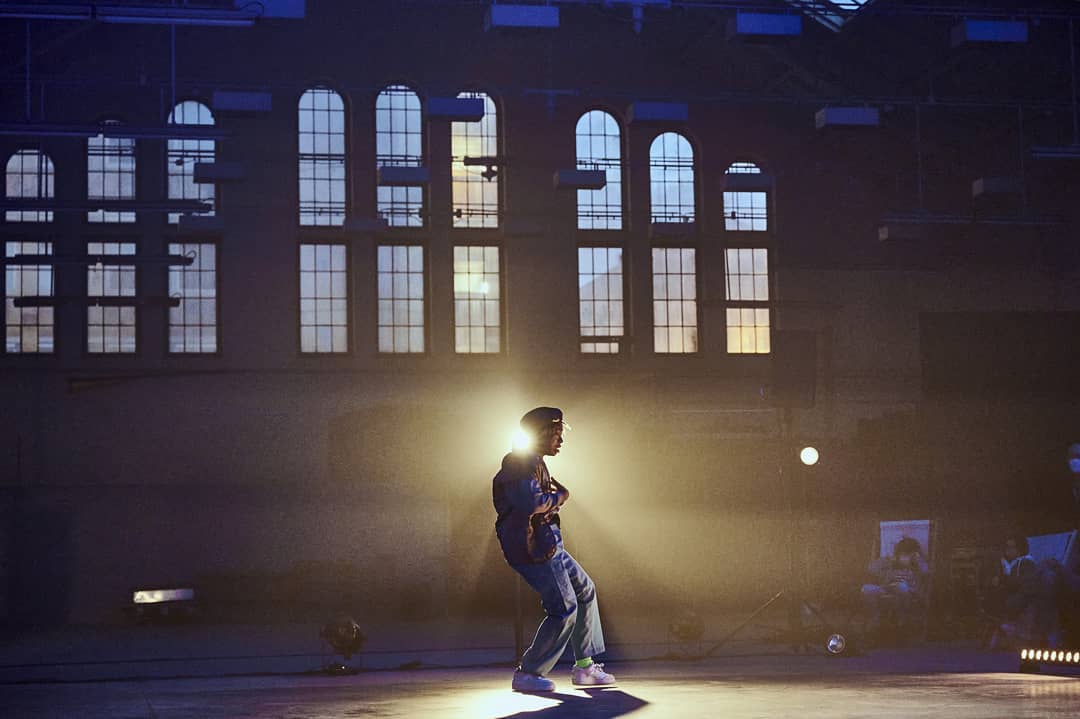
Faithful to its origins, ARTONOV allows these disciplines to resonate within Brussels’ exceptional Art Nouveau heritage and historic architecture. The transmission of knowledge and experience also remains an essential guiding principle. This commitment is reflected in the support of young talent through the ARTONOV Academy, in the new creation by dancer and choreographer Harold George inspired by Haydn, and in Peaceful Forest, a baroque and sensory performance for the very youngest audiences.
In a world marked by acceleration and fragmentation, this edition reminds us that beauty never comes into being alone. It flourishes through relationships—between people, stories, materials, and shared imagination.